Filter bags are an essential component of industrial filtration systems. They ensure efficient dust separation, protect the environment against harmful emissions and optimize process performance in many industrial sectors.
Filter Bag
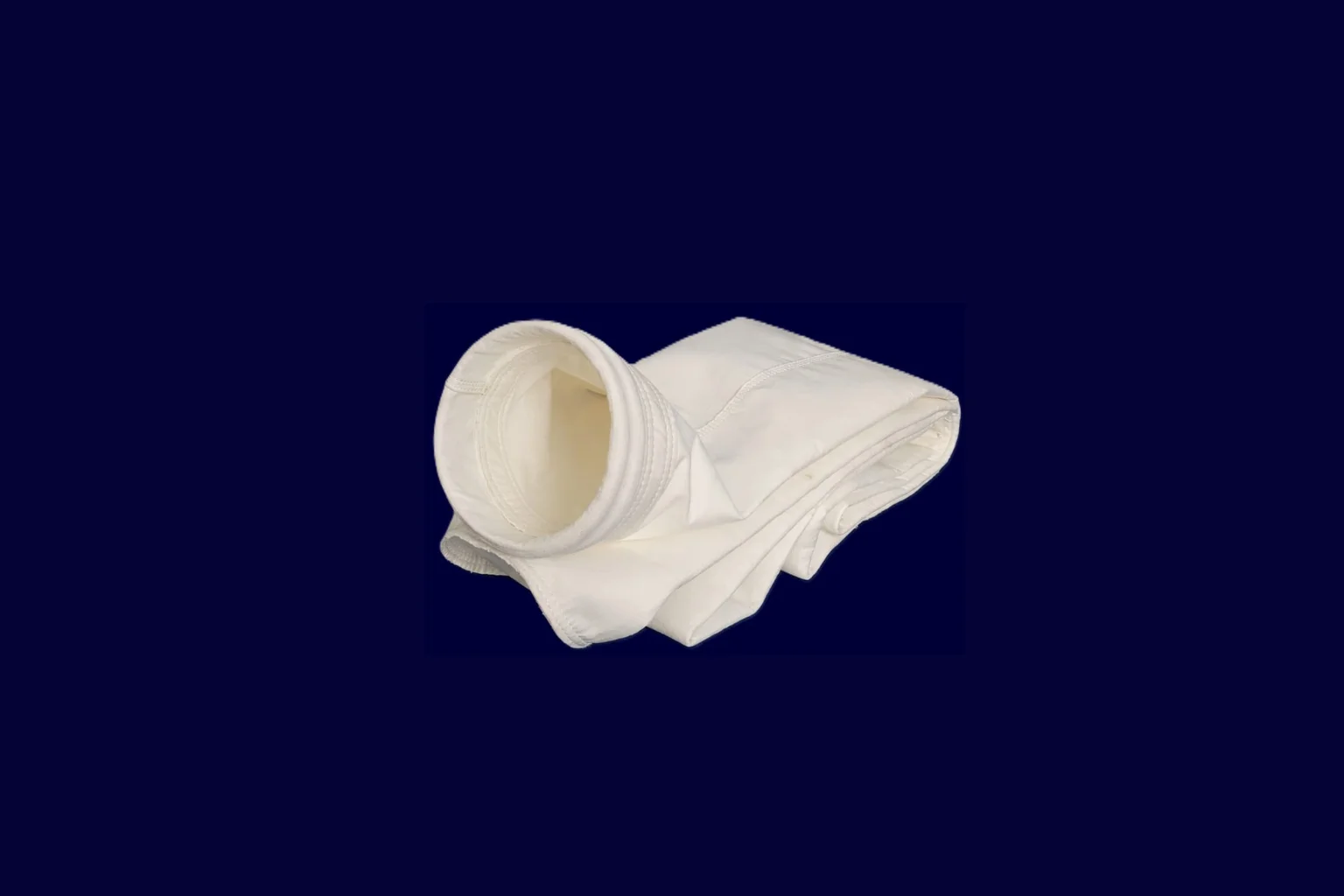
What is it?
Design
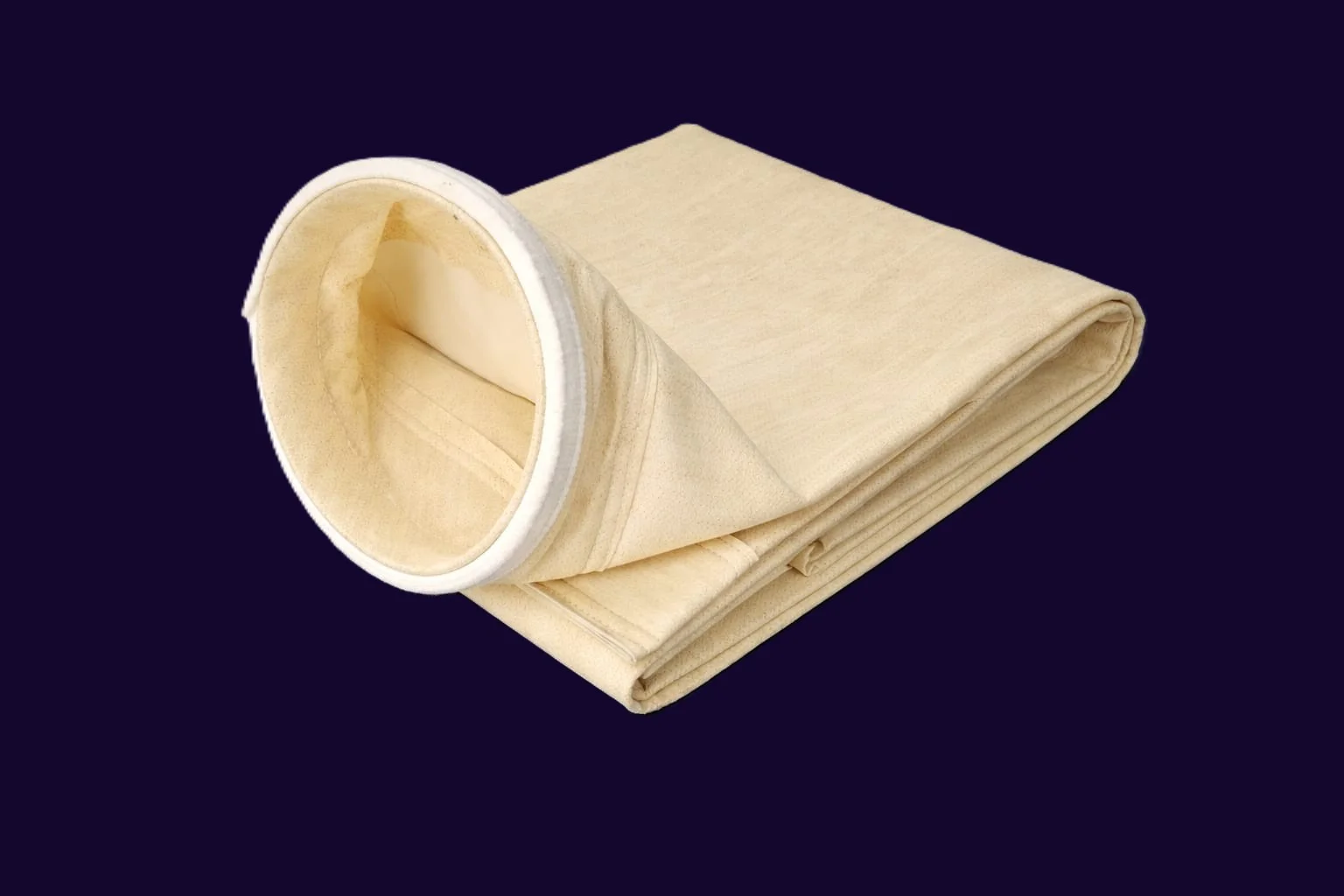
F4T designs and manufactures high-quality filter bags that meet the strictest environmental requirements as well as the specific needs of each customer. Our solutions actively contribute to the reduction of industrial emissions and environmental protection in many sectors.
Thanks to our technical expertise and efficient manufacturing processes, F4T offers reliable, durable filter bags adapted to the most demanding industrial conditions.
F4T offers different fixing systems for filter bags, ensuring perfect sealing, secure installation and long service life. Our filter bags are available with the following fixing types:
- Metal ring
- Double Snap Ring bead
- Collar
- Snap Ring gasket
- Double Snap Ring gasket
These fixing solutions guarantee optimal adaptation to tube sheets and different industrial filtration systems.
Materials
Filter bags manufactured by F4T are made from high-quality filter media, carefully selected from recognized suppliers. A rigorous supplier evaluation and control process allows us to guarantee consistent product quality as well as good availability of different filter media and controlled delivery times.
The basic materials used for manufacturing filter bags include the following woven fabrics and needle felts:
| Matériaux | Code F4T | Température travail °C | Température pointe °C | Résistance à l’inflammabilité |
|---|---|---|---|---|
| Polypropylène | PP | 90 | 100 | Oui |
| Homopolymere acrylique | HA | 125 | 135 | Oui |
| Polyester | PE | 140 | 160 | Oui |
| Polyphénylène sulfure | PS | 190 | 210 | Oui |
| Meta aramide | MA | 200 | 220 | Non |
| Polyimide | PI | 220 | 240 | Non |
| Polytétrafluoroéthylène | TF | 240 | 260 | Non |
| Fibre de verre | GL | 260 | 300 | Non |
| Matériaux | Code F4T | Résistance aux Acides | Résistance aux Alcalis | Résistance aux Oxydants | Résistance aux Solvants | Résistance à l'Hydrolyse |
|---|---|---|---|---|---|---|
| Polypropylène | PP | Excellent | Excellent | Acceptable | Acceptable | Bonne |
| Homopolymere acrylique | HA | Bonne | Acceptable | Bonne | Bonne | Bonne |
| Polyester | PE | Bonne | Acceptable | Bonne | Bonne | Faible |
| Polyphénylène sulfure | PS | Bonne | Bonne | Faible | Bonne | Excellent |
| Meta aramide | MA | Acceptable | Acceptable | Faible | Bonne | Acceptable |
| Polyimide | PI | Bonne | Acceptable | Bonne | Bonne | Acceptable |
| Polytétrafluoroéthylène | TF | Excellent | Excellent | Excellent | Excellent | Excellent |
| Fibre de verre | GL | Bonne | Faible | Acceptable | Bonne | Excellent |
Treatments
Filter media can be enhanced with specific treatments, adapted to operating conditions and process constraints. Among the most commonly used treatments are:
| Traitement | Description |
|---|---|
| Calandrage | Facilite le nettoyage (décolmatage) des manches |
| Flambage | Augmentation de la résistance à l'abrasion |
| Membrane PTFE | Diminution de l'émission des poussières fines |
| Hydrophobe et/ou oléophobe | Augmentation de la résistance contre acides et alcalins |
| Antistatique | Eviter les risques d'explosions |
| Retardeur de flamme | Protection contre les particules incandescentes |
Applications
Our filtration solutions are used by customers from many industrial sectors, including:
- Energy: power plants, thermal power plants, heating units, incineration plants
- Building materials: cement plants, lime units, mineral wool production, coating plants (asphalt), glassworks, etc.
- Metallurgy: steelworks, production of steel, aluminum, copper, titanium and other metals
- Chemical industry: production of carbon black, soda, fertilizers, ammonia and other chemicals
- Food and pharmaceutical industry: flour production, powdered milk, pharmaceutical products, etc.


.webp)